

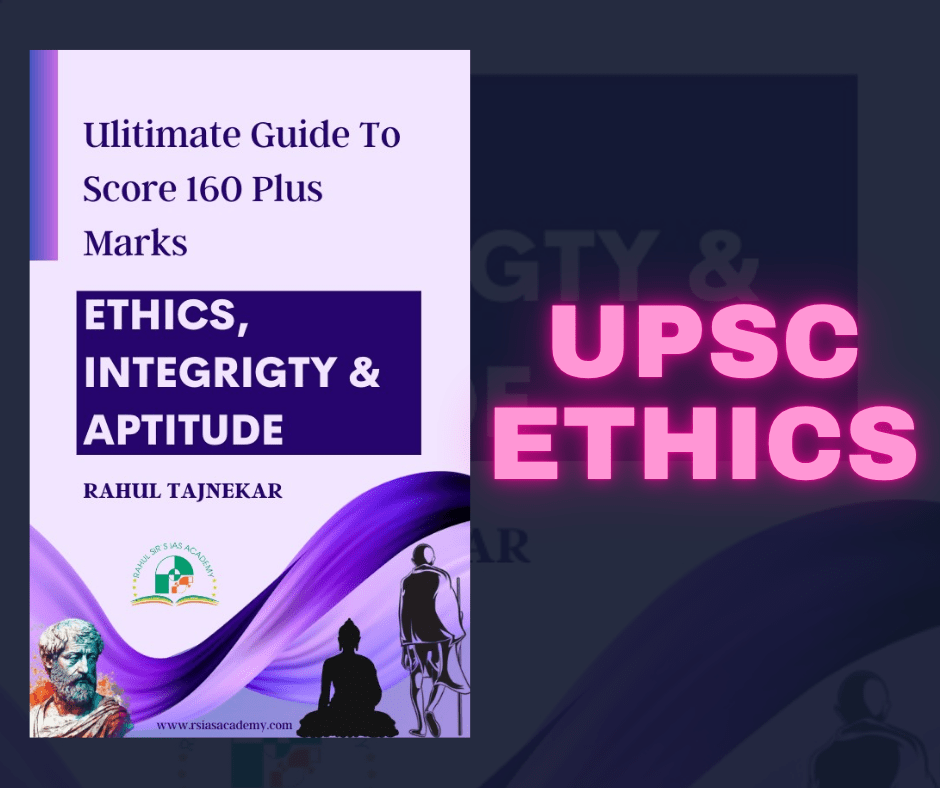
Introduction To UPSC Ethics
UPSC Ethics (GS Paper 4) is one of the most scoring yet misunderstood papers in the UPSC Civil Services Examination conducted by Union Public Service Commission. Many aspirants either ignore it till the end or treat it as a theoretical subject. Both approaches are dangerous.
The truth is simple: UPSC Ethics can become your rank booster if prepared strategically.
In this detailed guide, I will explain:
- The right mindset to approach UPSC Ethics
- A step-by-step preparation strategy
- How to handle theory + case studies
- How to improve answer writing
- Common mistakes to avoid
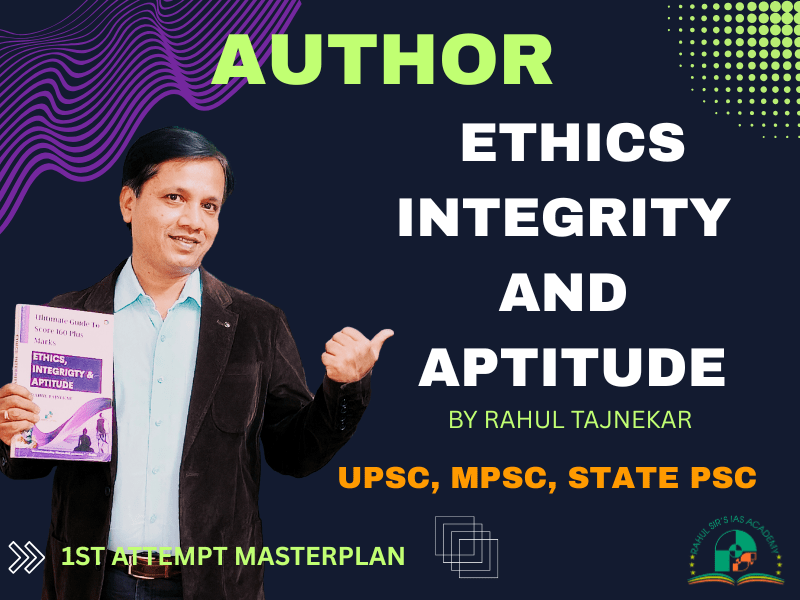
Ethics Book (Paperback) – https://store.iipbooks.com/book/ethics-integrity-and-aptitude/
Ethics eBook – https://bit.ly/4tHYWSU
Let’s begin.
1. First Understand the Nature of UPSC Ethics GS Paper 4
Before preparation, understand what UPSC expects.
UPSC Ethics paper tests:
- Ethical theory (basic concepts)
- Application of values in administration
- Emotional intelligence
- Integrity and probity
- Decision-making ability
- Practical wisdom in case studies
This is not a philosophy optional paper. Nor is it just moral preaching.
UPSC wants to know:
“Will this candidate take ethical decisions as a civil servant?”
If you understand this, half the battle is won.
2. Build the Right Foundation for Ethics (Concept Clarity First)
Start with core concepts. Without clarity, you cannot write mature answers.
Important Areas to Cover:
- UPSC Ethics and Human Interface
- Attitude and its components
- Emotional Intelligence
- Moral Thinkers and Philosophers
- Public Service Values
- Probity in Governance
- Accountability and Transparency
Do not mug up definitions. Instead:
- Understand the meaning
- Learn 2–3 crisp definitions
- Collect real-life examples
For example:
Integrity = Consistency between values, words, and actions.
Add examples like:
- A civil servant refusing political pressure.
- Honest implementation of welfare schemes.
👉 Always attach examples. UPSC Ethics answers without examples look hollow.
3. How to Make Notes for UPSC Ethics
UPSC Ethics requires smart note-making.
Use the 4-Column Method:
| Concept | Definition | Example | Thinker/Quote |
Example:
| Empathy | Ability to understand others’ feelings | DM visiting flood victims personally | “Put yourself in others’ shoes” |
Keep notes short and revision-friendly.
Avoid making bulky notes from multiple sources.
For Batches – https://rsiasacademy.com/best-upsc-coaching-nagpur/
Website: https://rsiasacademy.com/
4. Role of Moral Thinkers – How Much is Enough?
Many aspirants overdo philosophers.
You do NOT need deep philosophy.
Prepare basic ideas of:
- Mahatma Gandhi – Truth, Non-violence
- Immanuel Kant – Duty-based UPSC Ethics
- Aristotle – Virtue UPSC Ethics
- John Rawls – Justice as fairness
- Max Weber – UPSC Ethics of responsibility
You only need:
- 2–3 lines per thinker
- One keyword idea
- One quote (optional)
Use thinkers naturally in answers. Do not force-fit them.
5. How to Prepare Case Studies (Most Important Part)
Case studies carry 120+ marks. This is where ranks are decided.
Step 1: Learn Structured Answer Writing
Use this format:
- Stakeholders
- Ethical Issues
- Options Available
- Merits & Demerits
- Final Decision
- Implementation Steps
This structured approach gives clarity and maturity.
Step 2: Focus on Balance
Avoid extreme answers like:
- “I will suspend everyone immediately.”
- “I will resign from service.”
UPSC wants balanced, practical, lawful solutions.
Your answer must show:
- Compassion
- Rule of law
- Administrative feasibility
- Long-term impact
Step 3: Practice Previous Year Questions on UPSC Ethics
Solve at least last 10 years of UPSC Ethics case studies.
Notice:
- Repetition of themes
- Governance issues
- Corruption
- Whistleblowing
- Conflict of interest
Repeated practice improves decision-making maturity.
6. How to Use Examples Effectively For UPSC ETHICS
UPSC Ethics answers shine with examples.
Use:
1. Administrative Examples
- RTI
- Social audits
- Digital governance
2. Personal Examples
- Helping accident victims
- Refusing bribe
3. Current Affairs Examples
- Transparency initiatives
- Disaster management responses
Examples should be relevant, short, and meaningful.
7. Emotional Intelligence – Practical Approach
For Emotional Intelligence:
Understand:
- Self-awareness
- Self-regulation
- Motivation
- Empathy
- Social skills
Instead of theory, link EI to administration:
Example:
A collector handling communal tension must show:
- Calm behaviour
- Active listening
- Trust-building
This is how theory converts into marks.
8. How to Write High-Scoring UPSC Ethics Answers
1. Keep Introductions Simple
Define the concept in 2–3 lines.
2. Use Headings & Structure
Break answers into parts.
3. Add Diagrams
Use simple flowcharts:
Problem → Ethical Conflict → Options → Decision → Outcome
Diagrams improve presentation.
4. Add Quotes Smartly
One quote per answer is enough.
Do not overload.
9. Time Management Strategy
UPSC Ethics paper requires speed + clarity.
Practice writing:
- 10 markers in 7 minutes
- 20 markers in 11–12 minutes
Case studies should be completed in around 18–20 minutes each.
Regular answer writing practice is essential.
10. Common Mistakes to Avoid
❌ Writing moral preaching essays
❌ Being overly emotional
❌ Ignoring practical feasibility
❌ Not structuring case studies
❌ Writing vague generic answers
❌ Avoiding answer writing till last month
Ethics rewards clarity and practicality, not idealism alone.
11. 60-Day Ethics Preparation Plan
First 20 Days
- Complete theory once
- Make short notes
- Learn thinkers
Next 20 Days
- Start answer writing (daily 2 questions)
- Practice 1 case study every alternate day
Final 20 Days
- Revise notes
- Practice full-length Ethics tests
- Improve structure and speed
Revision is extremely important.
12. How to Make UPSC Ethics Paper Your Rank Booster
Top rankers score 130–160 in Ethics paper because:
- They give structured answers
- They use real examples
- They show administrative maturity
- They balance compassion with law
Ethics is not about being “good.”
It is about being “responsibly good.”
13. Final Advice for Serious Aspirants
If you are preparing seriously for UPSC:
- Do not leave Ethics preparation for the end
- Start answer writing early
- Focus more on case studies
- Keep content simple and practical
Remember:
A technically strong candidate without integrity is dangerous.
UPSC selects administrators who combine competence with character.
Conclusion
UPSC Ethics (GS Paper 4) is one of the most beautiful papers in the Civil Services Examination. It shapes not just your marks but your personality as a future civil servant.
Prepare it with sincerity, structure, and consistency.
If approached correctly, UPSC Ethics can easily fetch 140+ marks and significantly improve your overall rank.
Start today. Stay consistent. Practice daily.
Your rank may depend on it.
For Free Daily Current Affairs Download Our App
App Download Link :- https://bjvojd.on-app.in/app/home?orgCode=bjvojd&referrer=utm_source=copy-link&utm_medium=tutor-app-referral
Web Portal :- https://mpscupsc.rsiasacademy.com
Don’t worry about the theory. You only need to know 2-3 lines about all theories and a few examples related to that. Always remember this is not a Philosophy paper. Read the article in detail.
Before writing Ethics answers, make sure you have practiced answer writing in general. If you are a beginner, write GS answers first and then come to ethics.